Maths and Science Story Ideas for Every K–8 Grade
ArtifyTales turns a maths or science concept into a story a student has to get right. They draw what they understand, build a story around it, then check the facts, vocabulary and calculations and correct what is wrong. Eighteen activities follow, one per subject for each grade from Kindergarten to Grade 8.
By ArtifyTales Team, Nell AI Labs LLC · Published · 14 min read
A generated story is not a lesson. A generated story a student has to check is.
That is the whole shape of what follows. A student draws what they think a concept looks like, ArtifyTales builds a story around the drawing, and then the class does the part that matters: reading it for accuracy. Is the count right? Is the vocabulary right? Does the sequence hold? Does the arithmetic work? Correcting a story that is nearly right is a more demanding task than writing one from nothing, and it is a great deal more demanding than reading one.
Eighteen activities follow — maths and science, one of each for every grade from Kindergarten to Grade 8. Each takes one lesson. Each ends with something the student made, explained, and fixed.
| What a teacher needs | This activity |
|---|---|
| Time | 25–45 minutes, one lesson |
| Prep | Paper and something to draw with. Devices optional — one shared screen works. |
| Student output | A drawing, an illustrated story, and a written or spoken correction log |
| Grouping | Individual, pairs, or one story built by the whole class |
| Assessment | What they changed, and why — the correction is the evidence |
The seven steps
The pattern holds whatever the grade. What changes is how much of the checking the student can do alone. In the classroom this is the same work as the Kindergarten–Grade 8 Common Core ELA alignment already describes — explaining reasoning, sequencing, and revising — attached to a maths or science objective rather than to a writing prompt.
Kindergarten
Maths: Counting the ducks
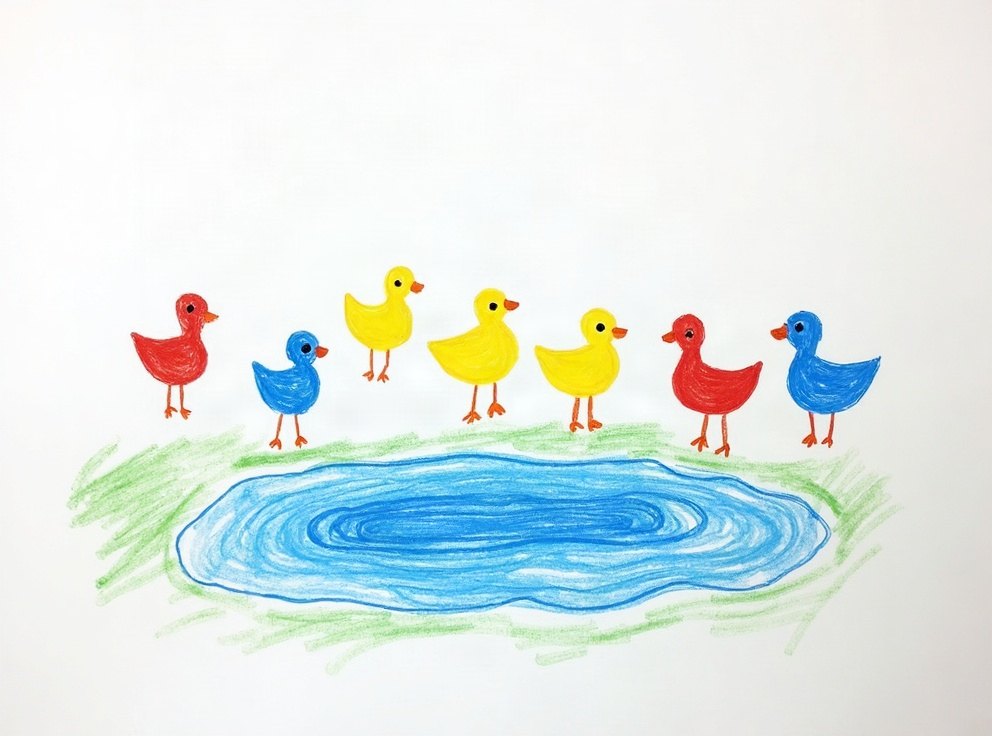
Five ducks were swimming together when two new ducks joined them. The children counted all the ducks and discovered that there were seven ducks in the pond.
They practise: Counting, number recognition, comparison and simple addition.
Science: What plants need
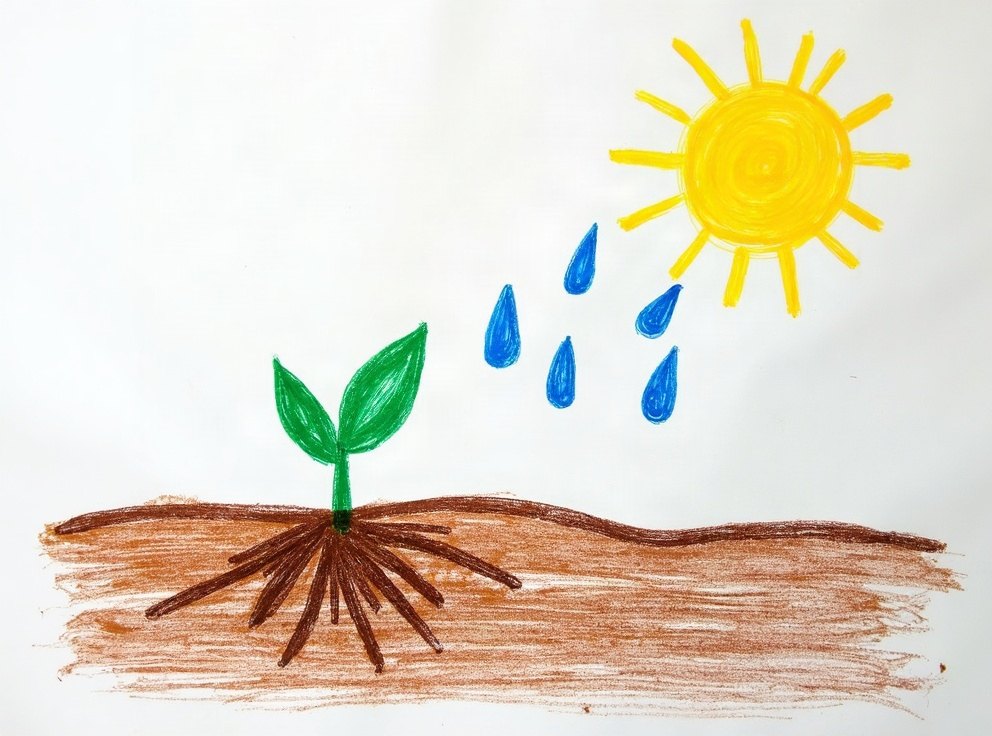
A little seed rested beneath the soil. Water softened its shell, and sunlight helped it grow into a plant with strong roots, a stem and green leaves.
They practise: That plants need water, light, air and suitable conditions to grow.
Grade 1
Maths: Addition at the fruit stand
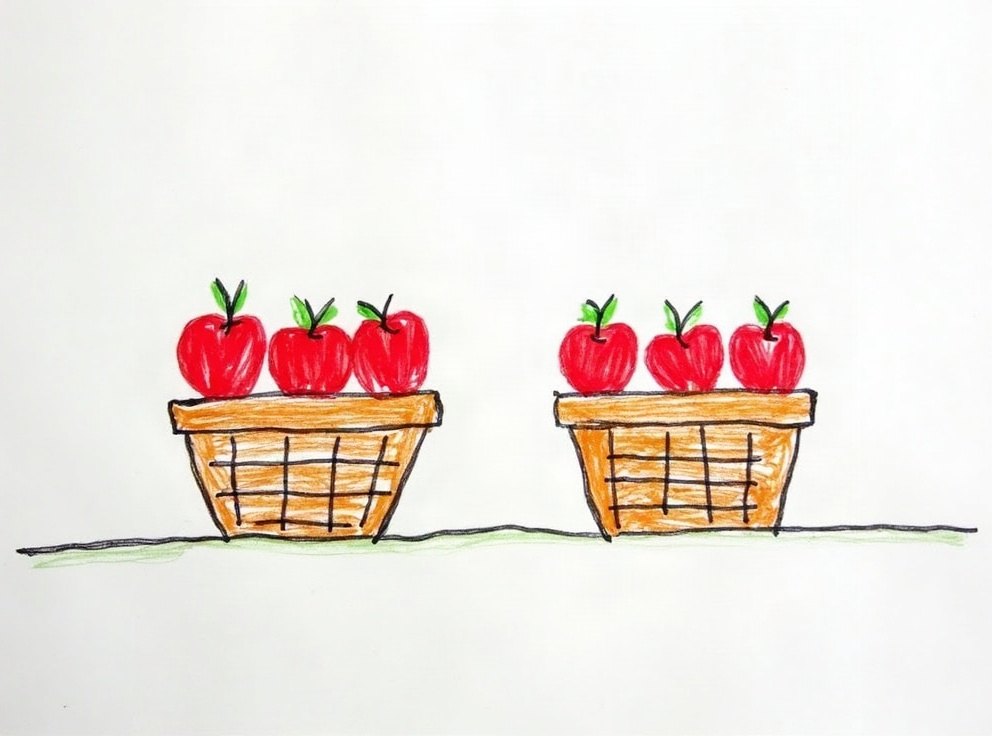
Ravi placed four apples in the first basket and three in the second. He counted seven apples altogether and prepared them for the school fruit stand.
They practise: Addition, subtraction, counting and explaining number relationships.
Science: Light and shadows
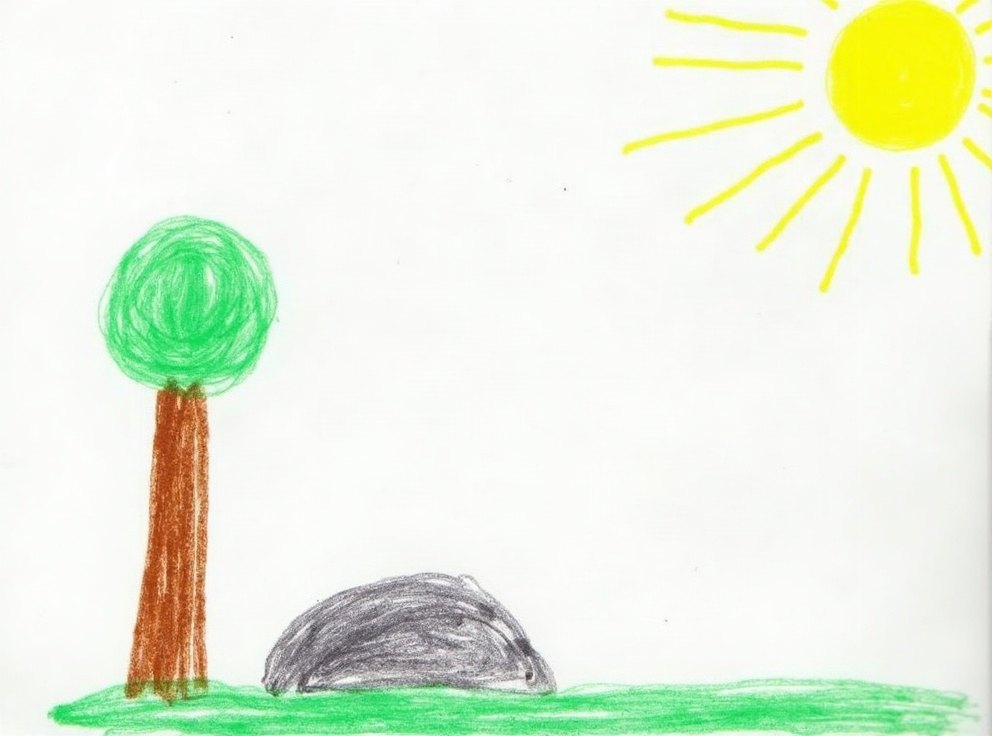
Mia stood beside a tree and noticed its shadow on the ground. When she moved closer to the tree, the shadow changed. She discovered that shadows form when an object blocks light.
They practise: Light sources, shadows, and how light interacts with objects.
Grade 2
Maths: Measuring the classroom
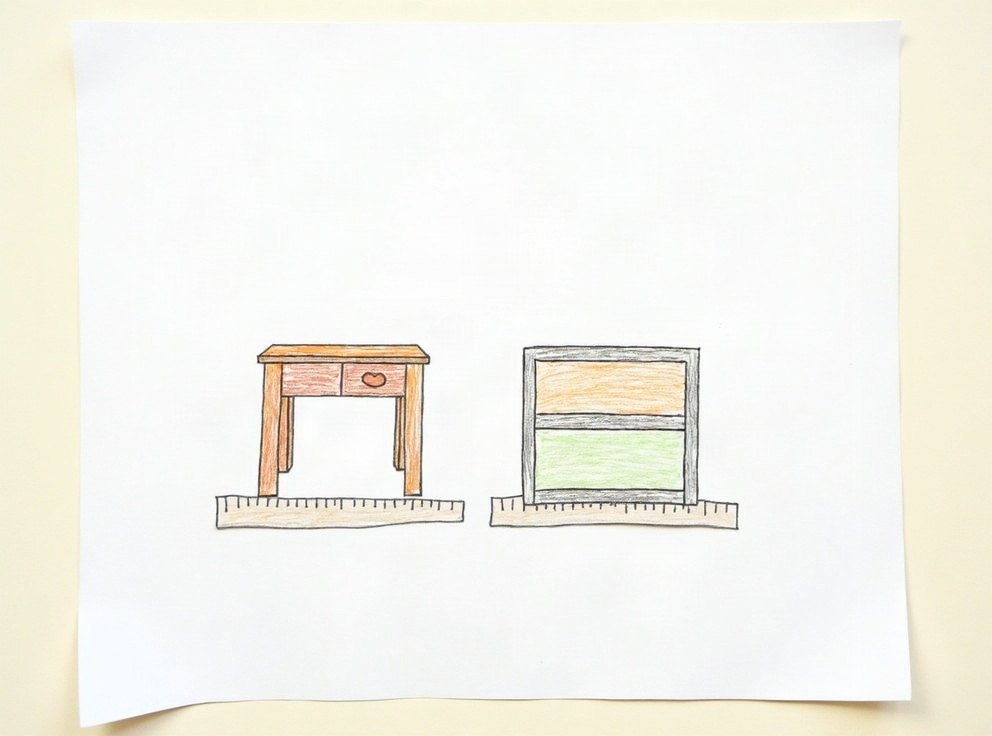
Noah measured a desk with a ruler and recorded its length. He compared it with the bookshelf and discovered that the bookshelf was longer than the desk.
They practise: Measurement, comparison, estimation and choosing appropriate units.
Science: The life cycle of a butterfly
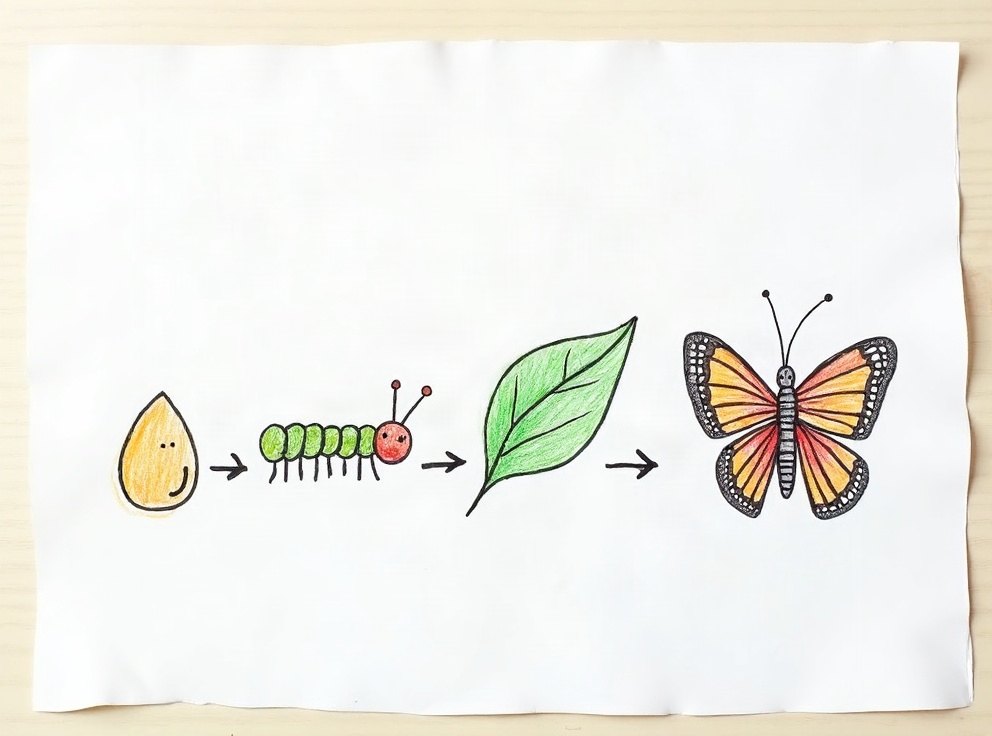
Bella began as a tiny egg on a leaf. She became a caterpillar, formed a chrysalis, and finally emerged as a butterfly ready to begin the cycle again.
They practise: How living things grow and change through predictable life-cycle stages.
Grade 3
Maths: Multiplication in the garden
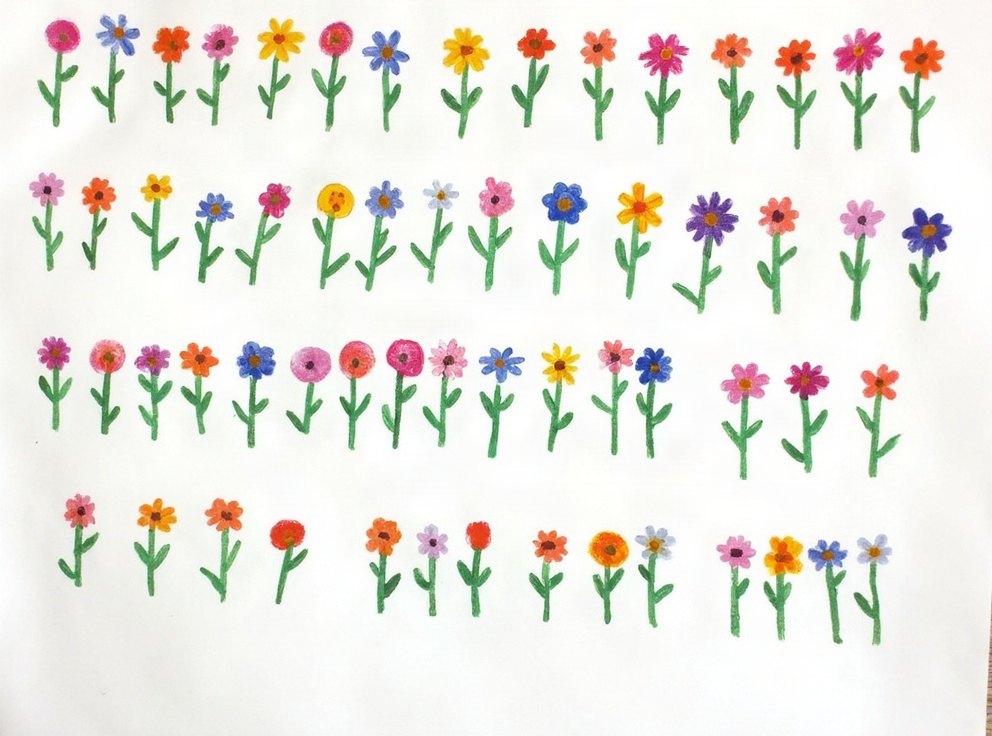
The students planted four equal rows of flowers. Each row had six flowers, so they multiplied 4 by 6 and found that the garden contained 24 flowers.
They practise: Multiplication, equal groups, arrays and repeated addition.
Science: Forces and motion
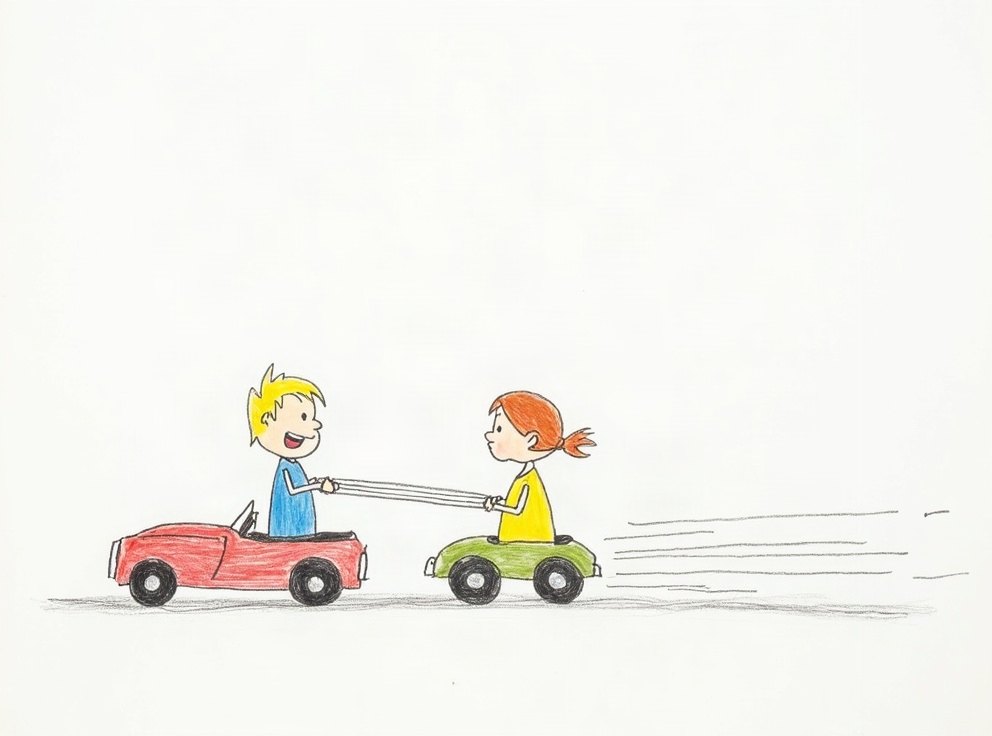
Ava gave her car a gentle push, while Leo pushed his car harder. Leo’s car travelled farther because a stronger force changed its motion more.
They practise: Pushes, pulls, motion, speed and the effects of force.
Grade 4
Maths: Area and perimeter of a garden
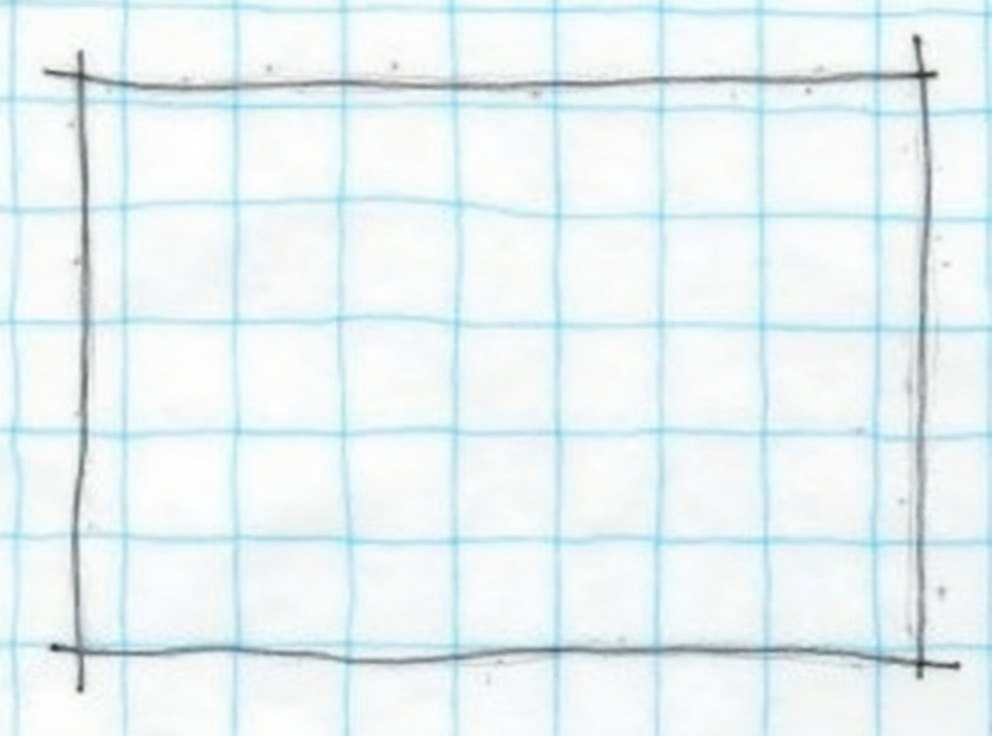
Maya planned a school garden with an area of 40 square feet. She then calculated its perimeter as 26 feet to work out how much fencing the garden needed.
They practise: Multiplication, area, perimeter, measurement and real-world problem solving.
Science: Energy and motion
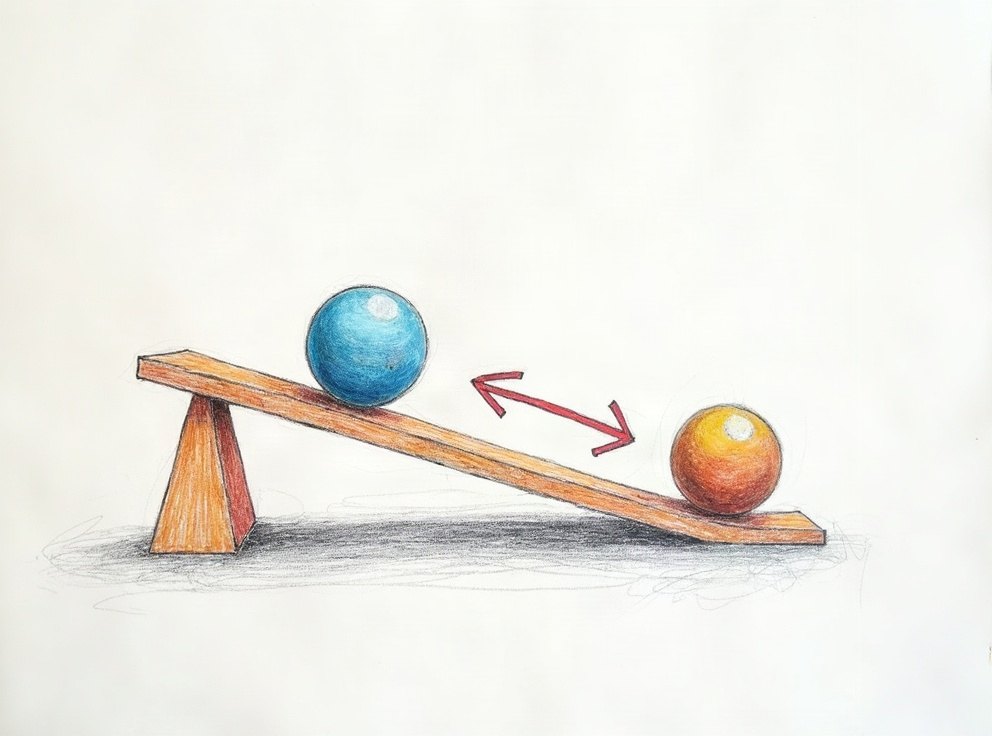
As the marble rolled down the ramp, it gained speed. When it hit the second marble, some of its energy transferred and caused the second marble to move.
They practise: Energy, motion, collisions and energy transfer.
Grade 5
Maths: Fractions at the school fair
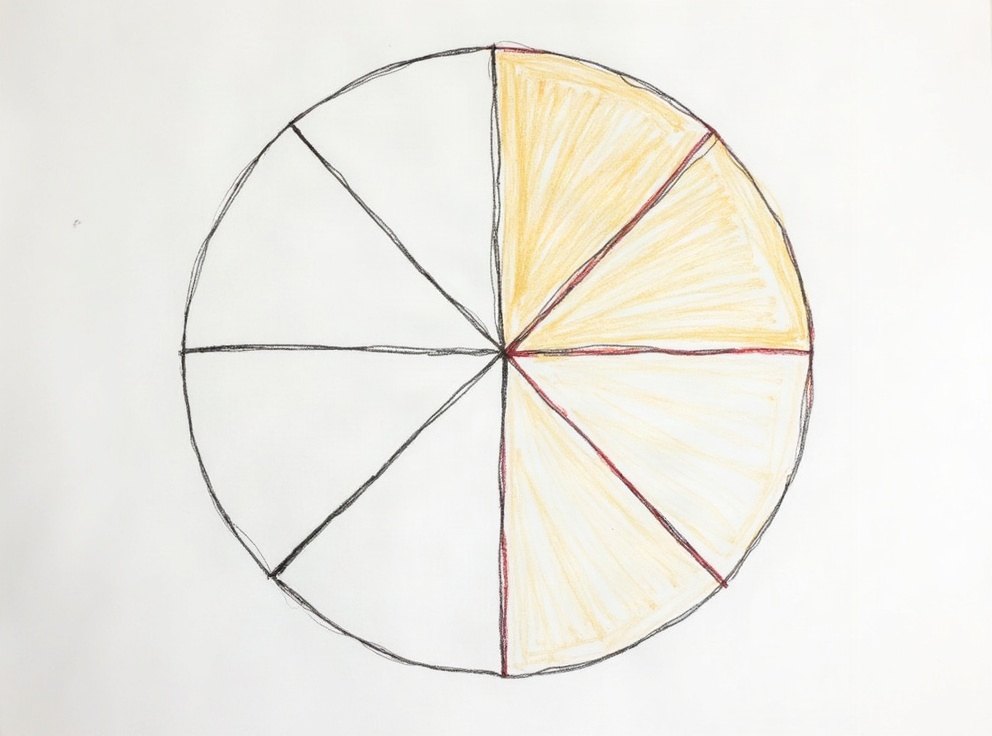
The class began with eight equal slices of pizza. After five slices were eaten, three-eighths of the pizza remained.
They practise: Fractions, equivalent fractions, adding and subtracting fractions, and real-world application.
Science: Energy in an ecosystem
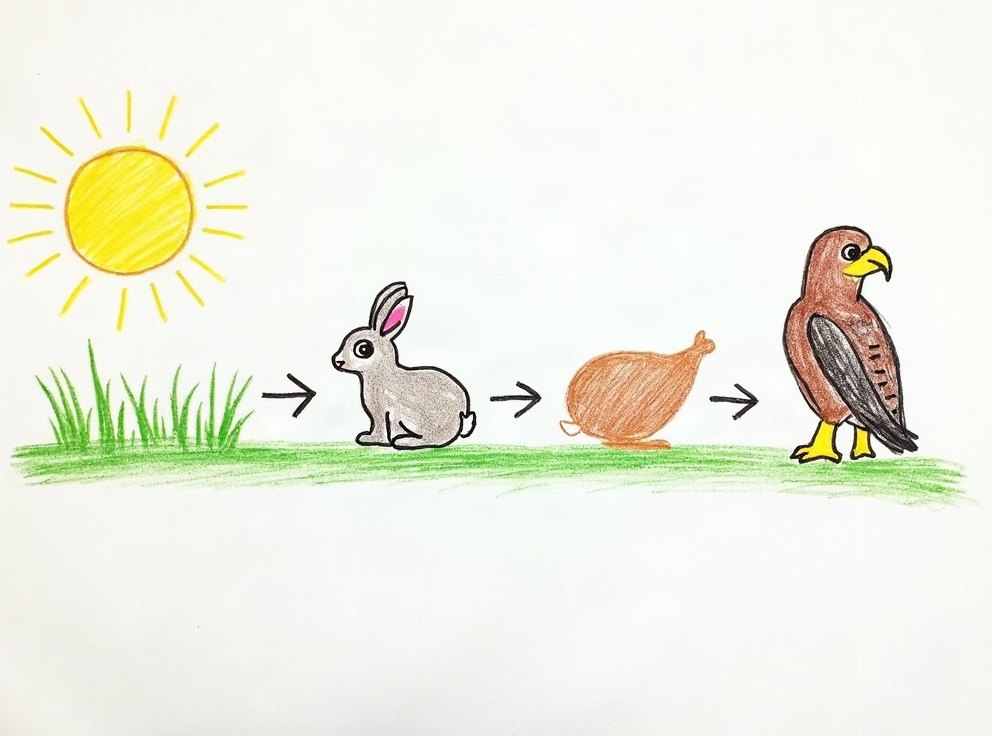
Energy from the sun helped the grass grow. The rabbit received energy by eating the grass, and the hawk received energy by eating the rabbit.
They practise: Food chains, producers, consumers, and the movement of energy through an ecosystem.
Grade 6
Maths: Ratios in a fruit drink
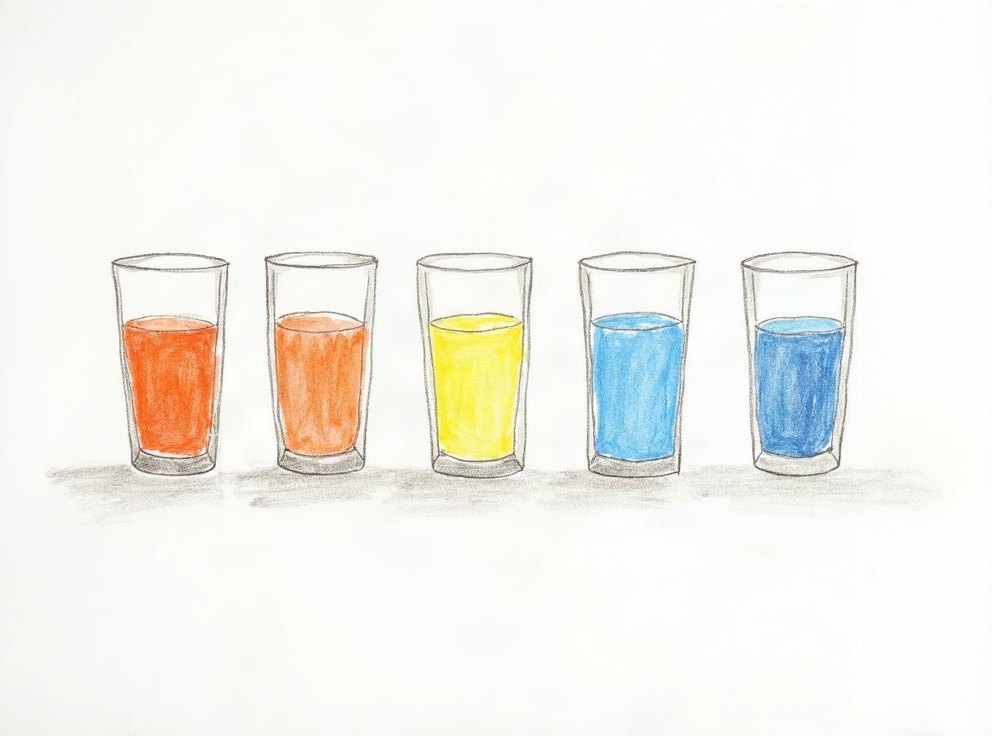
Elena used a ratio of two cups of juice to three cups of water. To make twice as much while keeping the same flavour, she used four cups of juice and six cups of water.
They practise: Ratios, equivalent ratios, rates and proportional reasoning.
Science: A journey through a cell
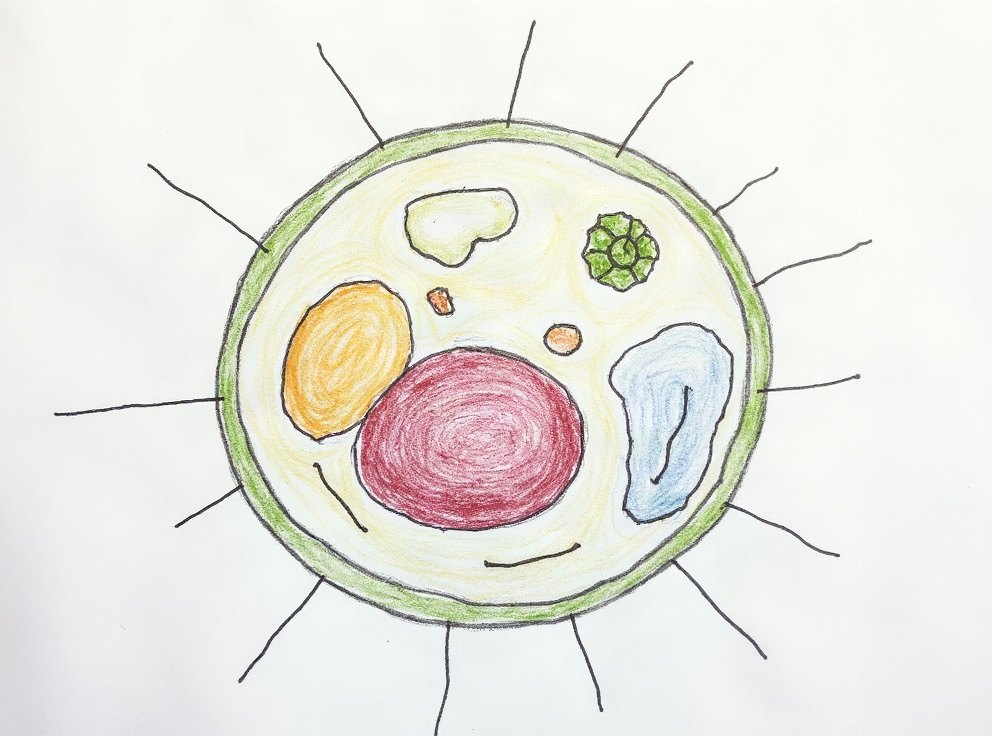
Captain Nia entered the cell through its outer boundary. Inside, she found the nucleus directing activities while other structures performed jobs that kept the cell functioning.
They practise: Cell structures, their functions, and how cells support living organisms.
Grade 7
Maths: Proportions on a school trip
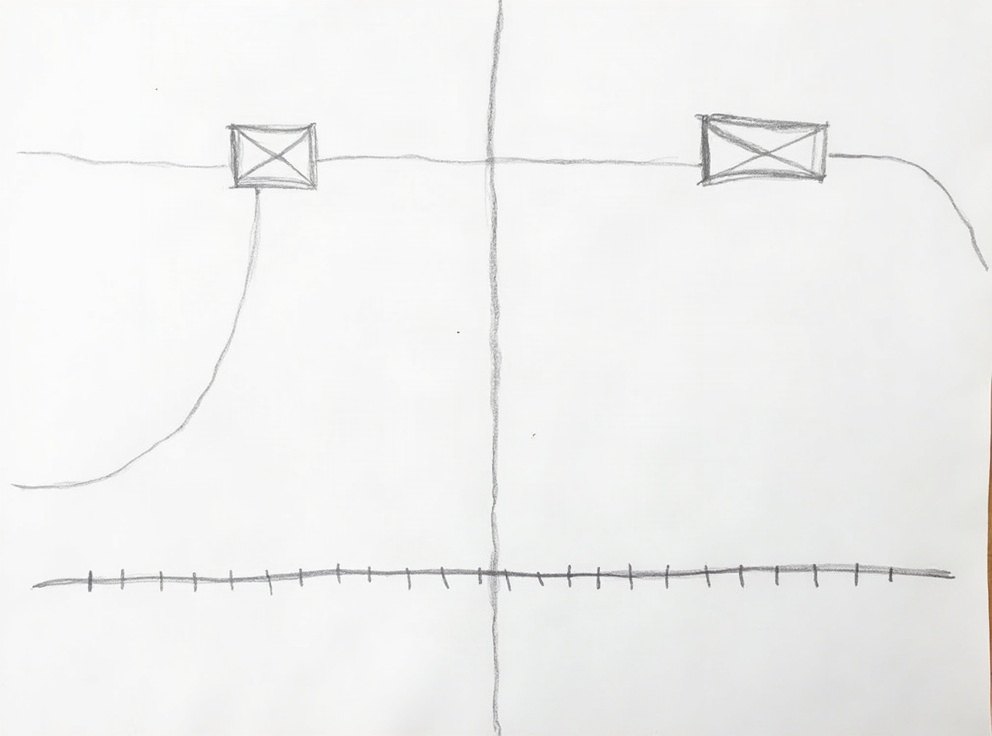
On the map, the museum was three inches from the school. Since each inch represented five miles, the students calculated that the real distance was 15 miles.
They practise: Proportional relationships, scale, unit rates and equations in real situations.
Science: Chemical reactions
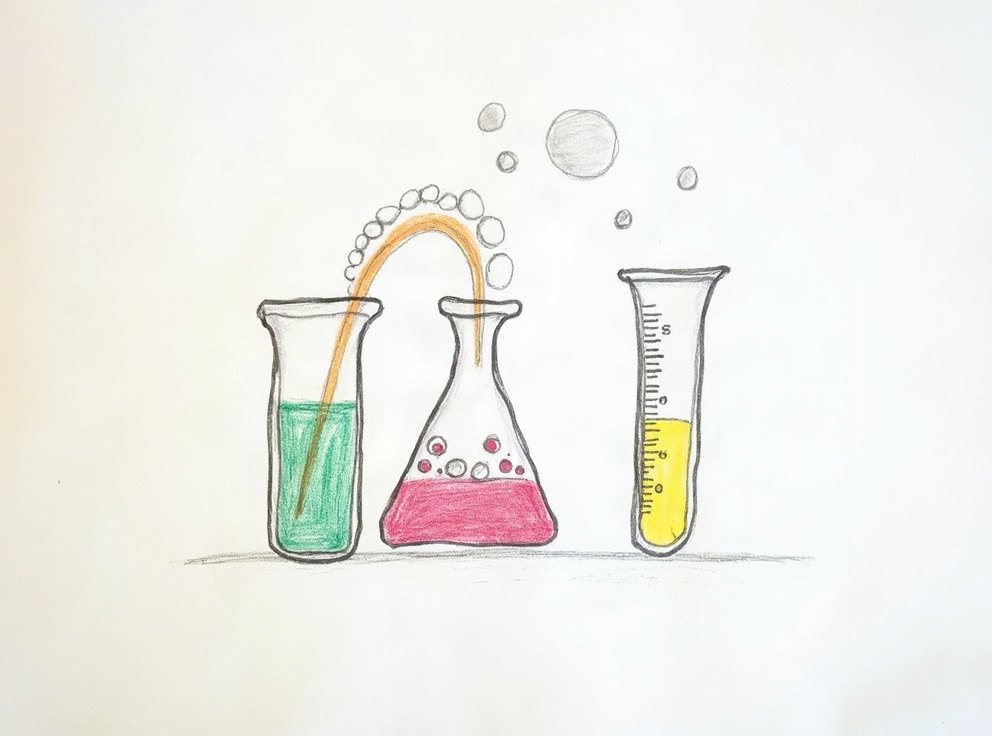
When the two substances were mixed, bubbles formed and the container became colder. These observations were evidence that a chemical reaction had occurred and new substances had formed.
They practise: Identifying evidence of chemical reactions, and telling chemical change from physical change.
Grade 8
Maths: The Pythagorean theorem
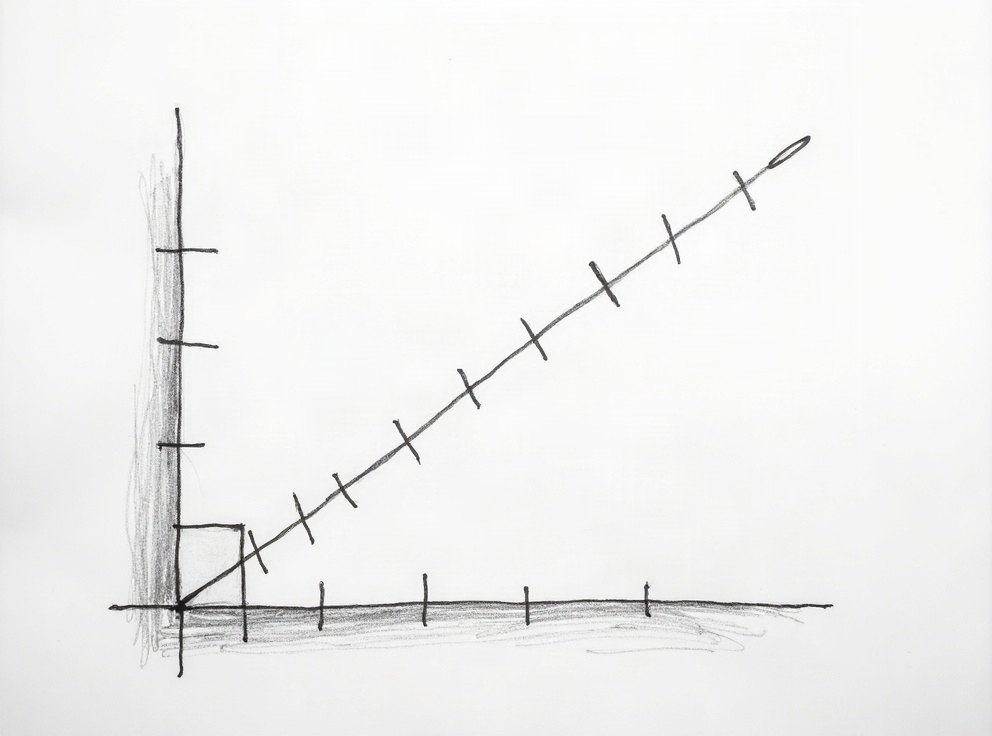
A firefighter placed a 13-foot ladder against a wall, its bottom 5 feet from the wall. Using the Pythagorean theorem she found the height it reached: 5² + h² = 13², so h² = 144 and h = 12. The ladder reached 12 feet up the wall.
They practise: Applying the Pythagorean theorem to find missing side lengths and solve distance problems.
Science: Newton’s laws in action
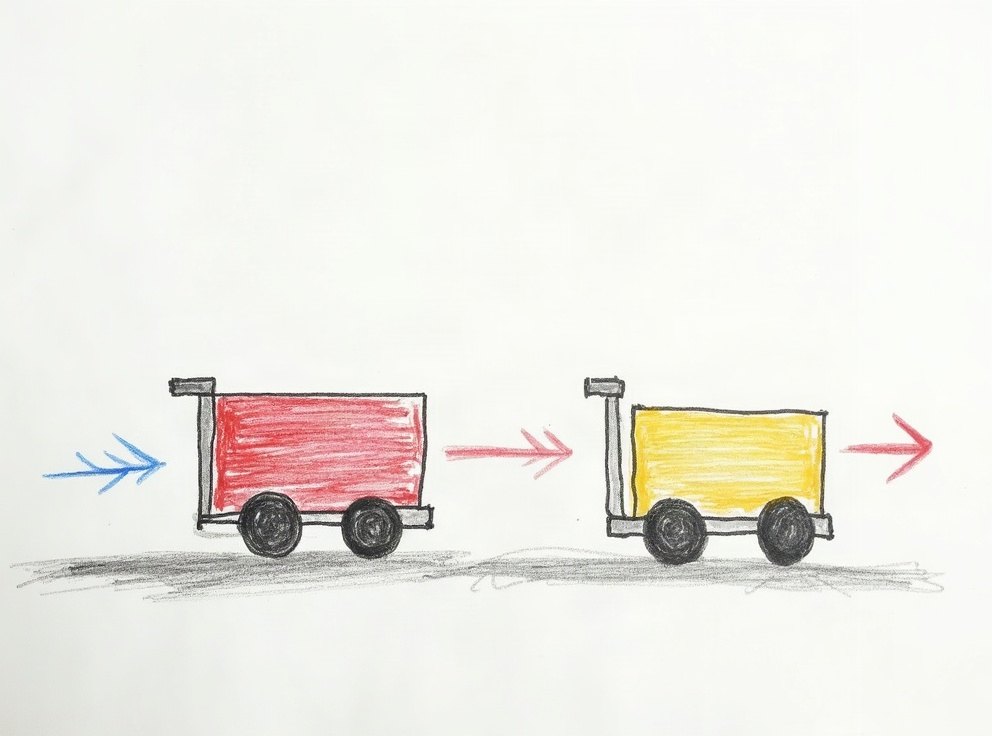
Jordan pushed an empty trolley and one filled with books using the same force. The empty trolley accelerated more, because an object with greater mass needs more force to reach the same acceleration.
They practise: Force, mass, acceleration, inertia and Newton’s laws of motion.
What a school needs to know before a pilot
The activities are the easy part. These are the questions a data-privacy reviewer will ask, and they are worth having answered before a class of thirty logs in.
- Accounts are adult-controlled. Teachers hold them; creations stay in the account unless someone deliberately shares them.
- No advertising, no feed, no autoplay. The activity ends when the story is finished, which is what makes it fit a lesson.
- Student work is student work. The ownership and commercial-use terms set out what the school and the family keep.
- Drawings and voices are personal data. Read how ArtifyTales handles children’s drawings and voices, and note that voice features for younger students are off by default and need a separate opt-in.
- FERPA. Our seven school-official commitments are published at FERPA and student data, in the form a district review asks for.
Get written answers on privacy, retention, deletion and account management before any pilot — from us or from anyone else. A policy page is a starting point, not evidence.
Running it as a unit rather than a one-off
One activity is a good lesson. Six across a term is a body of work, and it is what makes the difference visible to a head of department:
| Week | What the class does | What you collect |
|---|---|---|
| 1 | One maths activity, whole class, one shared story | The correction log, on the board |
| 2–3 | The same in pairs, science concept | Two drawings and one story per pair |
| 4 | Individual, student picks the concept | A story plus a written explanation of one fix |
| 5 | Read-aloud to a younger class | Narration, and the questions the little ones asked |
| 6 | Reflection | What each student changed, and why |
The artefact that matters at the end is not the stories. It is the correction logs: a record of students noticing that something confident and well-illustrated was wrong, and saying so.
Why this works on the concepts students usually get stuck on
A misconception survives being told it is wrong. It rarely survives being drawn. A student who thinks a shadow is "the sun’s dark part" draws something that cannot be reconciled with the story they then have to check, and the gap is visible to them rather than only to you.
That is also why the drawing comes before the software rather than after it. Ask for the picture first, and you find out what the class actually believes — which is the information a lesson plan is built from. More on the wider method in why ArtifyTales is different from an AI story generator, and on what changes with age in creative activities by child-development stage.
You do not have to prompt for any of this
Every idea above now ships as a theme inside the product. Pick the grade, then pick School Math, School Science or School Moral, and the story is built around the concept that grade is working on — the same concepts listed in this article, with the numbers fixed in advance rather than invented while the story is written. The verification step does not go away, and should not: the class still checks the story, and the checking is where the learning happens.
Frequently asked questions
- How long does one activity take?
- One lesson — 25 to 45 minutes depending on the grade and whether students work individually or in pairs. The drawing takes five to ten minutes, the story a few more, and the checking and correcting fills the rest, which is where you want the time to go.
- Do I need a device for every student?
- No. Many teachers run it on one shared screen with the whole class: everyone draws on paper, one drawing becomes the class story, and the correcting is done together out loud. Pairs on a shared device is the next step up.
- Is the generated story always factually correct?
- No, and that is the point of step four. Treat every draft as something to check. When it gets something wrong the lesson gets better, not worse — a class that spots the error has demonstrated the understanding you were assessing.
- How does this map to standards?
- The literacy side maps to the Kindergarten–Grade 8 Common Core ELA alignment published on the site. Maths and science standards vary by state and country, so the activities are written against the concept rather than a standard code — the concept is what you match to your own scheme of work.
- What do I collect for assessment?
- The correction log. What did the student change, and why? That sentence is better evidence of understanding than the finished story, and it is quicker to mark.
- Can students who cannot write yet take part?
- Yes. In Kindergarten and Grade 1 the drawing and the spoken explanation carry the whole activity — the child dictates and an adult types. Nothing in the seven steps requires writing.
- What about students who say they cannot draw?
- The drawing is a diagram, not art. Stick figures, labelled boxes and arrows are exactly right for a food chain or a force. Saying so out loud at the start removes the objection for most classes.
- What does a school need to check before a pilot?
- Who holds the accounts, what is public by default, how drawings and voice recordings are handled, how deletion works, and the FERPA position. All are published, and you should ask for them in writing from any vendor rather than inferring them from a marketing page.
- Can we run this across a whole term?
- Yes — the six-week outline above is the version most schools use. One activity a week, ending with a read-aloud to a younger class and a written reflection, gives a head of department something concrete to look at.
Try one lesson, then talk to us
Pick the activity for your grade, run it once, and look at what the class corrected. That is the whole evaluation. See how ArtifyTales turns a child’s drawing into an animated story.
For classrooms and learning centres we build custom plans — shared avatar pools, multi-student accounts, printable activity packs and termly storytelling projects. Request a school or institution pilot and tell us your group size.
The Kindergarten–Grade 8 Common Core ELA alignment sets out the literacy side, and FERPA and student data covers what a district review will ask for.